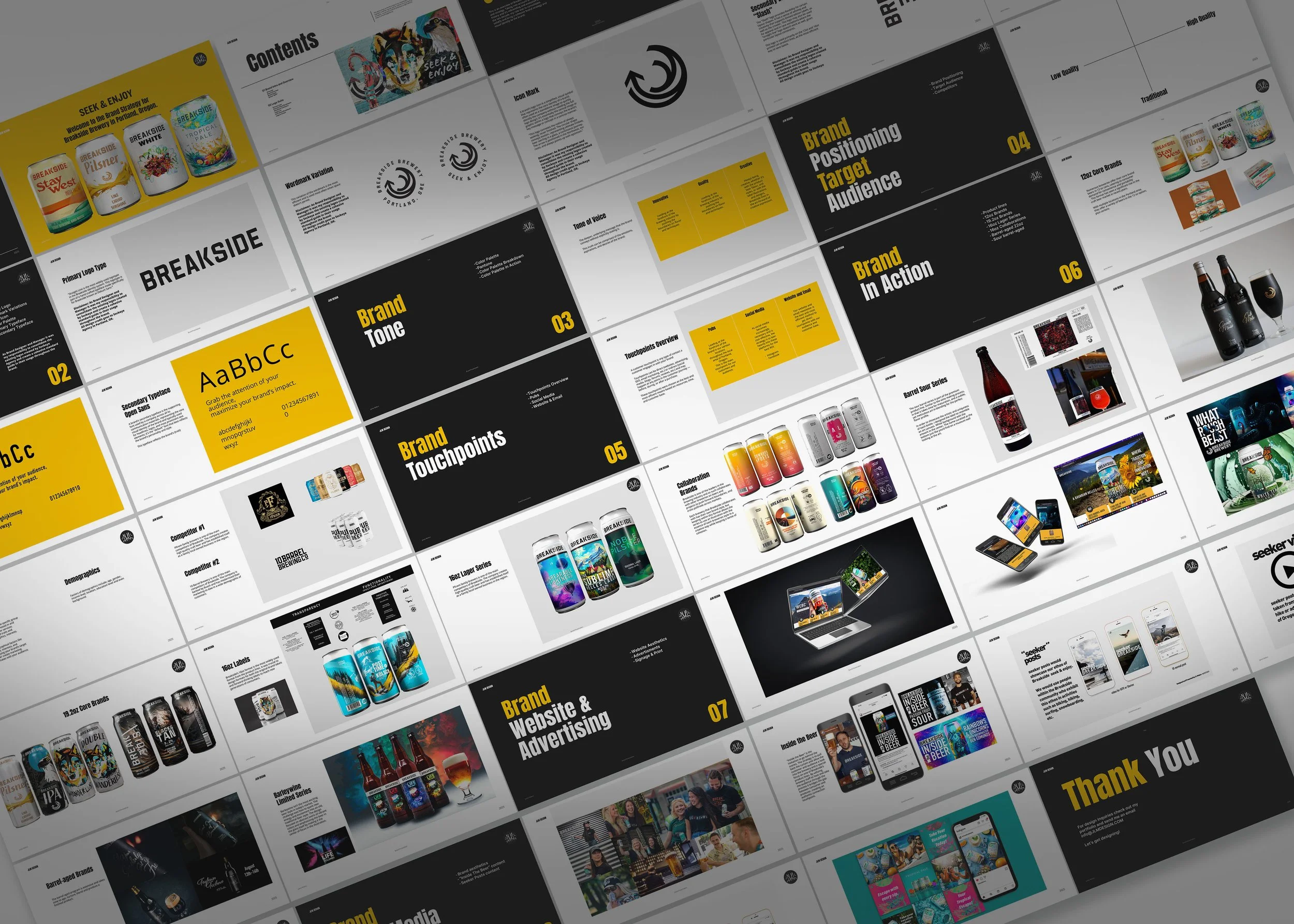
ART DIRECTION / MARKETING STRATEGYBrand Strategy/Marketing Positioning & Messaging
Role: Branding, Strategy Marketing, Product Positioning, GTM Messaging
Industry: Beverage / CPG
Breakside Brewery is an award-winning craft brewery with a strong, art-driven brand identity and deep roots in the Portland community.
During the pandemic, the business faced a critical shift:
Taproom-driven revenue declined significantly
Growth depended on scaling retail distribution through canned products
The opportunity was to reposition the brand and product experience for a retail-first environment, where packaging, messaging, and shelf presence directly influence purchase decisions.
Challenge
Transition from taproom-centric experience → retail and distribution-led growth
Maintain brand equity while adapting to new buying environments
Ensure product packaging communicates value quickly in competitive retail settings
Key questions:
How does Breakside stand out on a crowded shelf?
What drives a customer to choose this product in seconds?
How do we translate an in-person brand experience into a scalable product system?
Strategy
1. Market Shift & Channel Strategy
Recognized that packaging was no longer just branding, it became the primary acquisition channel.
This required:
Designing for retail visibility and differentiation
Creating systems that scale across multiple SKUs
Ensuring consistency across distribution channels
2. Customer Insight & Purchase Behavior
Identified two primary buying contexts:
In-person taproom customers, driven by experience and community
Retail customers, making quick decisions based on packaging, recognition, and perceived quality
Key insight:
In retail, the brand must communicate its value instantly, without context or prior experience.
3. Brand Positioning Evolution
Refined the brand from purely “art-driven brewery” to:
A craft brewery that delivers both high-quality beer and a recognizable, community-driven identity, whether experienced in person or on the shelf.
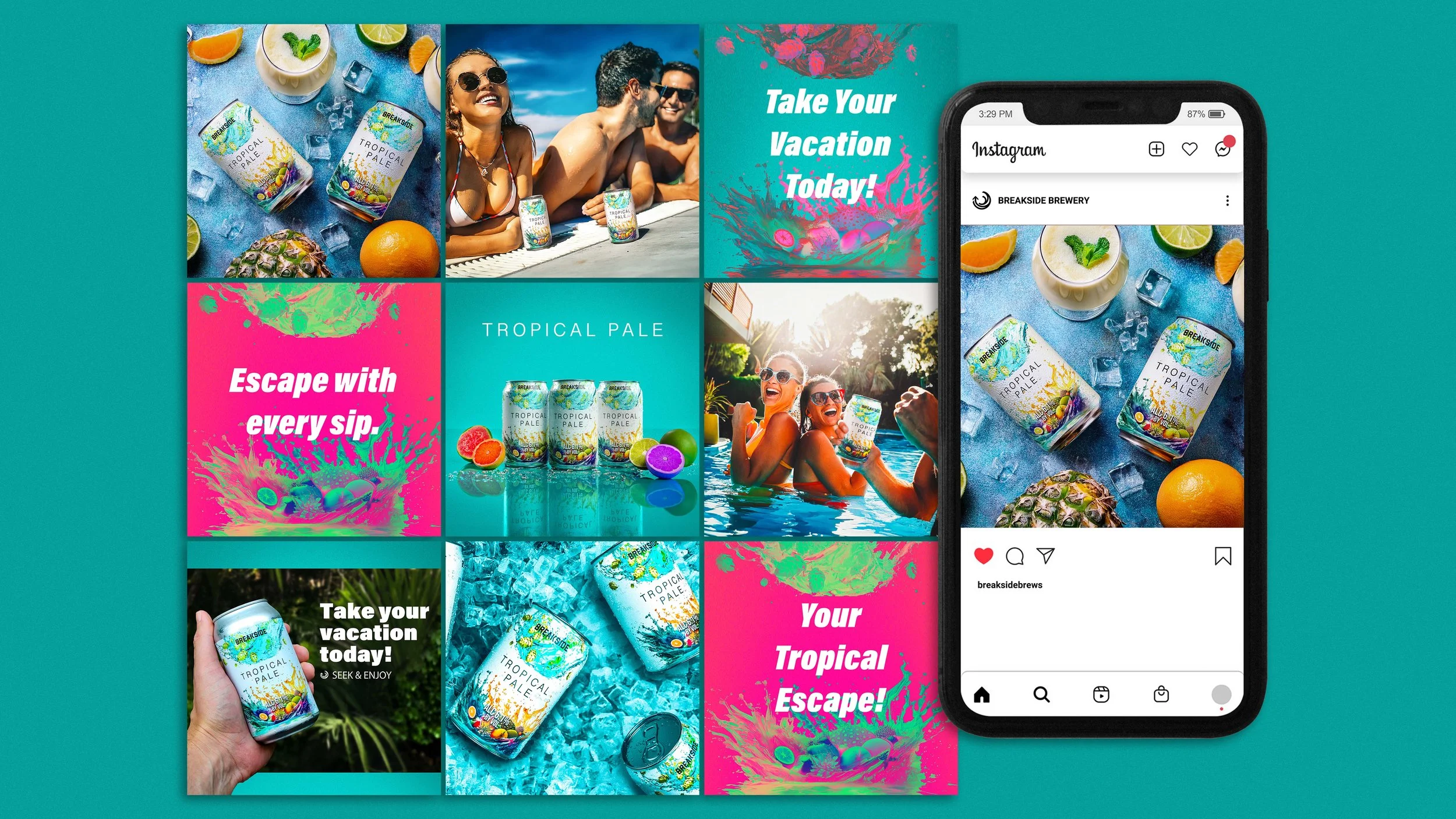
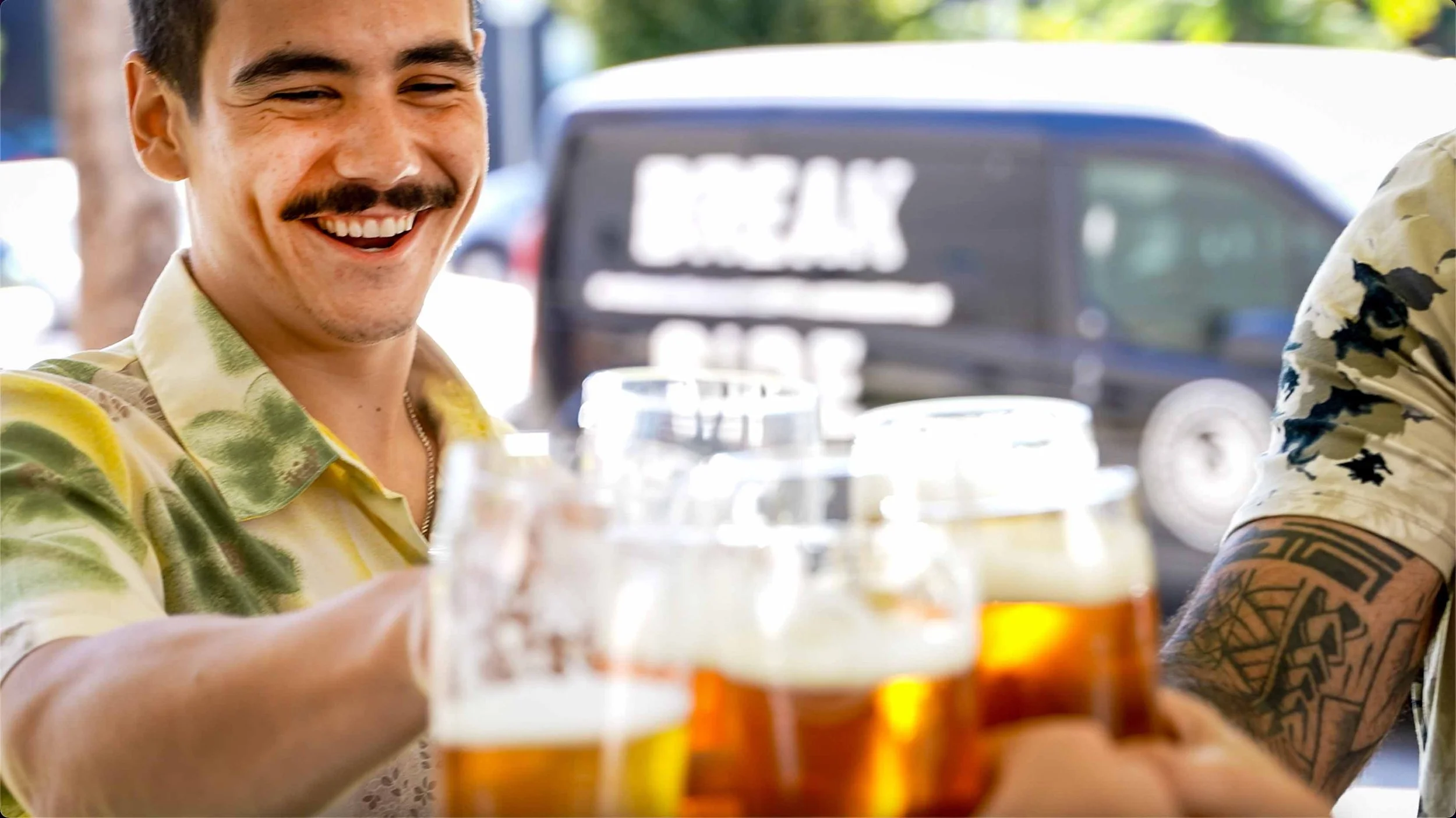
“Community” was translated from an abstract idea into:
Visual storytelling featuring people and shared experiences
A consistent emotional tone across products and content
4. Product & Packaging as Conversion Layer
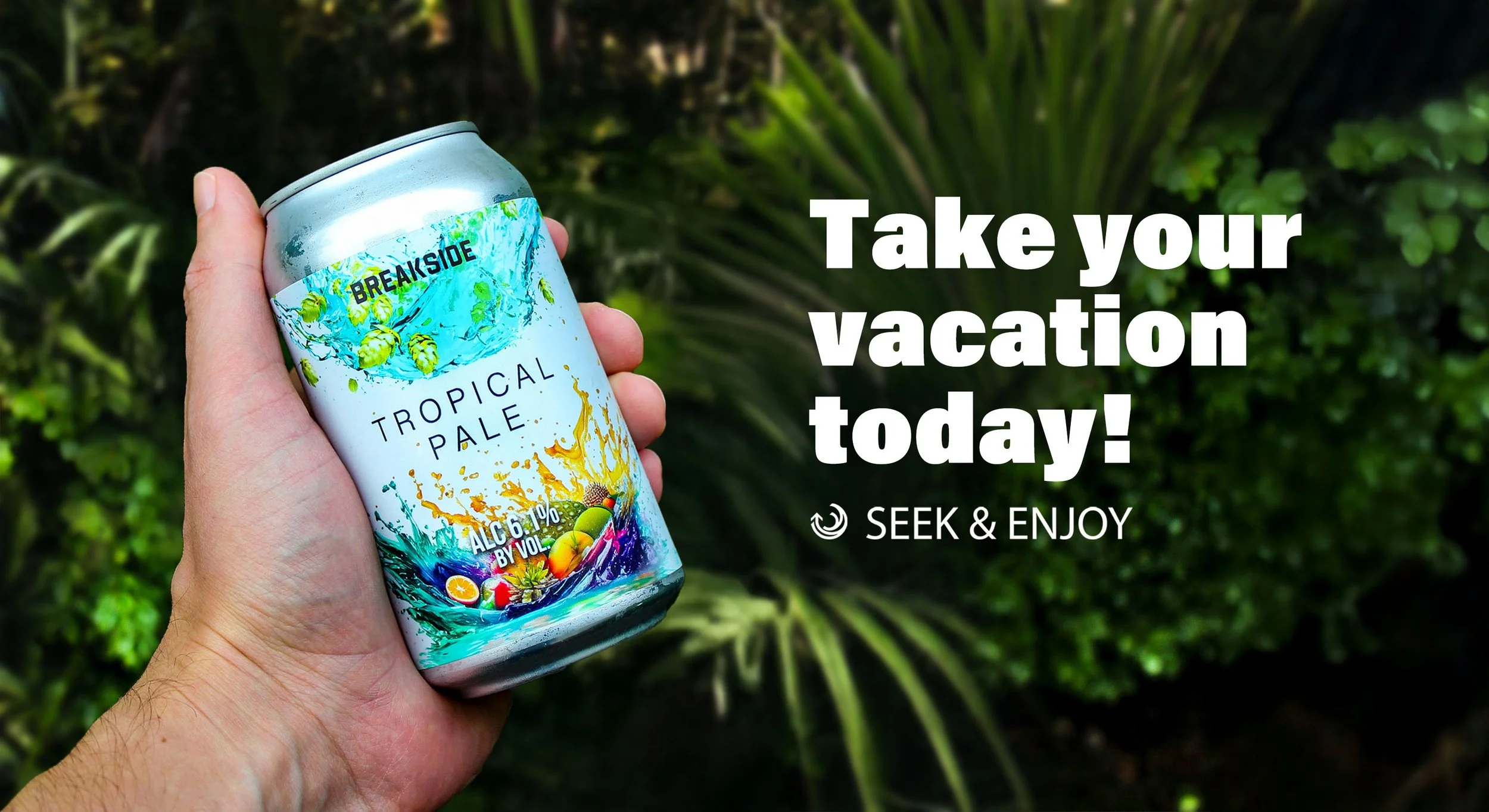
Shifted packaging from expressive art to strategic communication tools:
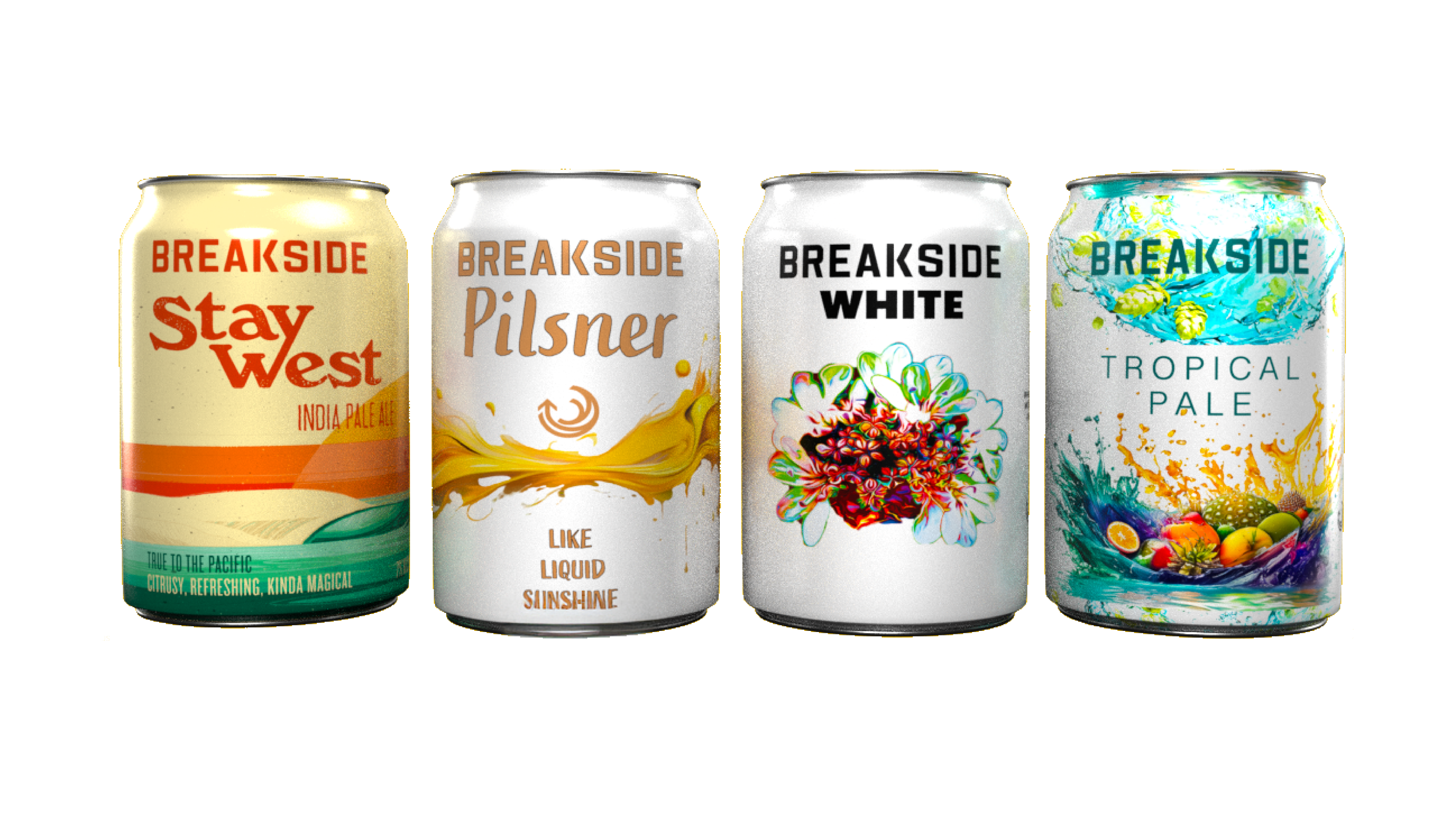
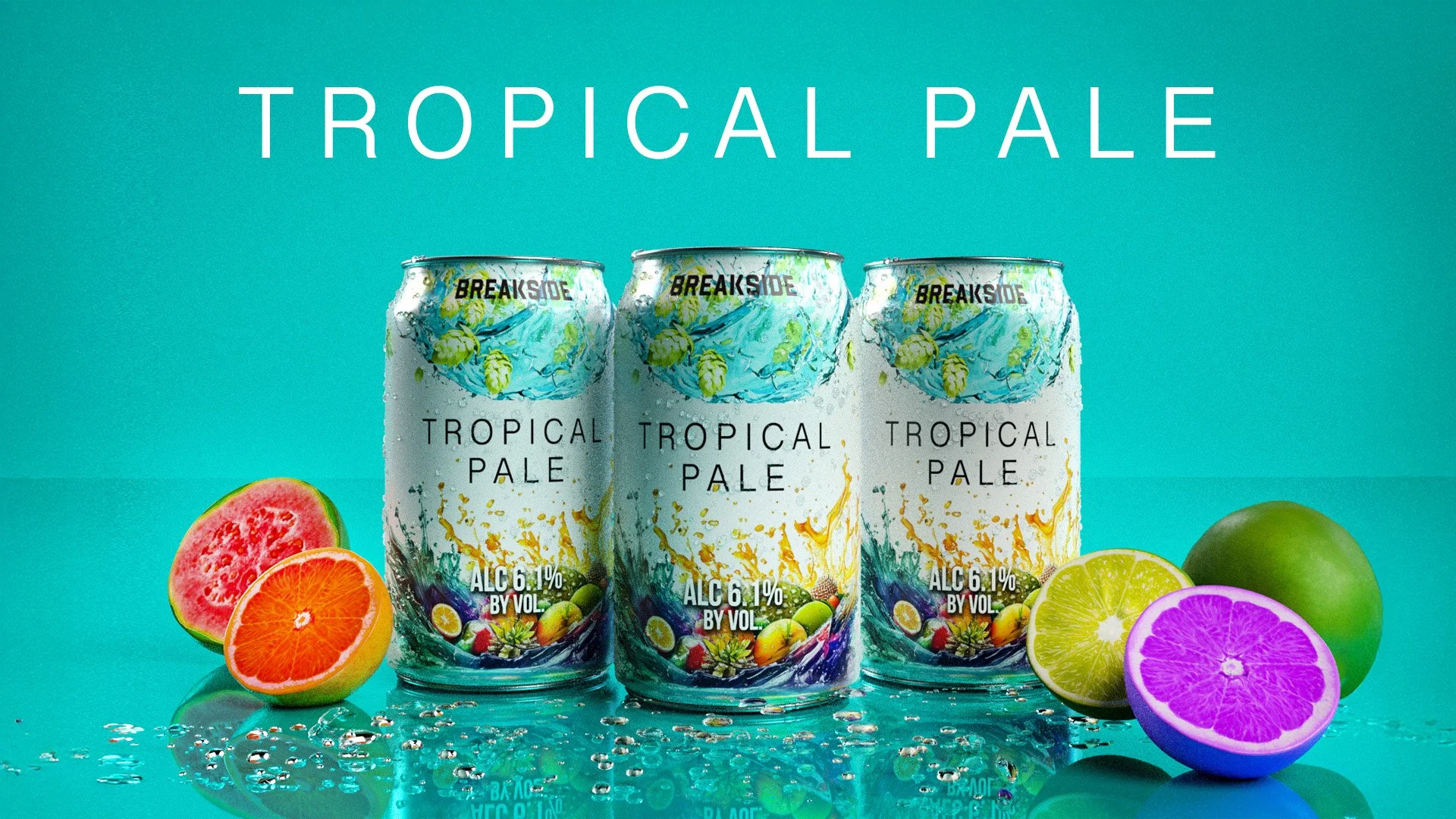
Adapted label systems for aluminum cans to improve scalability and consistency
Maintained artistic identity while increasing clarity and recognizability at shelf
Ensured each product communicated:
Style of beer
Brand identity
Visual distinction within the product lineup
5. Messaging System Across Channels
Developed a cohesive messaging approach:
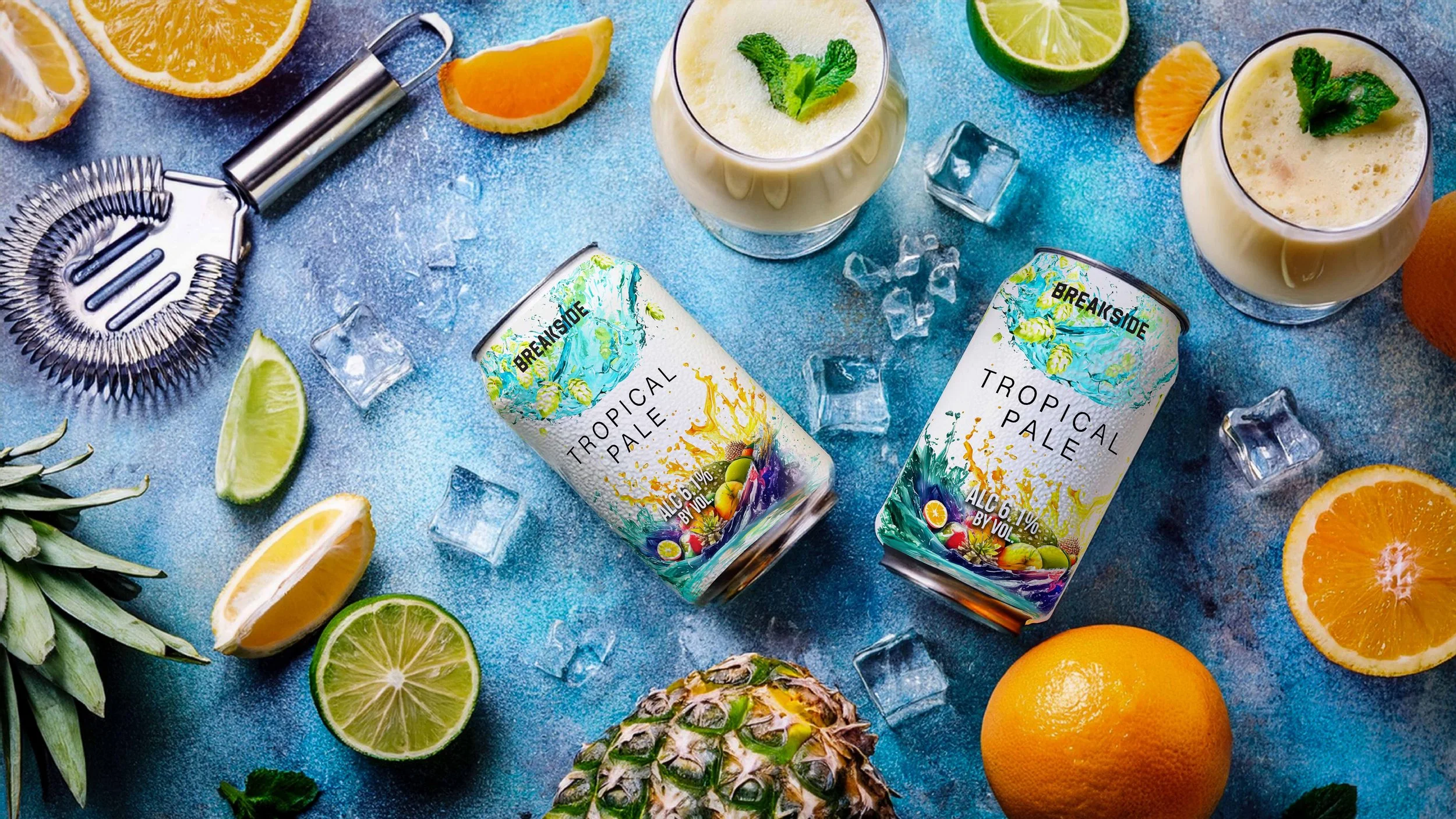
Taproom / Content (Experience-driven)
Focus on community, lifestyle, and shared moments
Retail / Packaging (Conversion-driven)
Focus on clarity, recognition, and quick decision-making
This ensured the brand could operate effectively across both experiential and transactional environments.
Results:
Successfully adapted the brand to support a distribution-first growth model
Created a scalable packaging system optimized for retail visibility and recognition
Maintained brand equity while improving product clarity and shelf impact
Built alignment between brand storytelling and purchase behavior, supporting conversion in retail environments