My Approach
1. Market Positioning:
Strong positioning is the foundation of effective marketing.
It determines how a product is understood, who it is for, and why it matters in a competitive landscape.
My approach to positioning focuses on simplifying complex ideas into clear, differentiated value that customers can immediately understand.
This includes:
Defining the target audience and their core problem
Clarifying the product’s unique value and differentiation
Aligning messaging with customer priorities, not internal assumptions
Clear positioning reduces friction in decision making and creates a foundation that supports every downstream marketing effort.
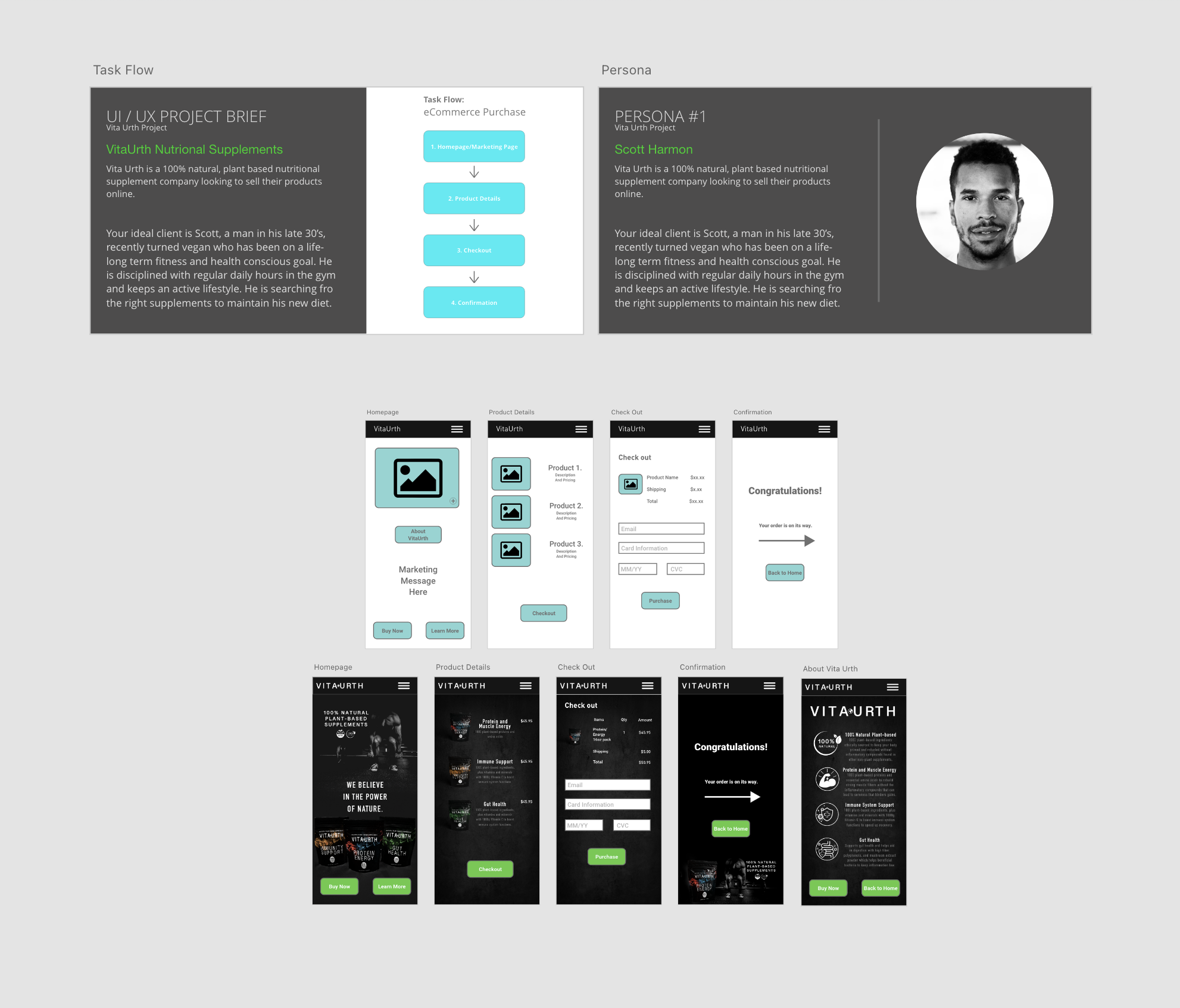
3. Campaign Strategy
Effective campaigns are not a collection of assets, they are a coordinated effort to communicate a clear message across multiple channels.
My approach to campaign strategy focuses on alignment.
Each campaign starts with a core idea and extends that idea consistently across:
Visual identity
Messaging
Channel execution
Customer touch-points
Rather than creating isolated outputs, the goal is to build campaigns that feel cohesive and reinforce the same narrative at every interaction.

5. Brand & Growth Alignment
Brand and growth are often treated as separate functions, but the most effective marketing aligns both.
Brand builds recognition, trust, and long-term value. Growth drives acquisition, conversion, and measurable outcomes.
My approach focuses on connecting these two areas by ensuring that:
Brand messaging supports performance goals
Campaigns balance storytelling with clarity and action
Creative work contributes to both immediate results and long-term brand equity
When aligned, brand and growth do not compete, they compound.

2. Customer Journey
Customers do not convert from a single interaction. They move through a journey of awareness, consideration, and decision making.
I approach marketing as a system that supports this progression, ensuring that each touch-point builds on the last.
This includes:
Awareness, introducing the product and its relevance
Consideration, helping customers understand value and differentiation
Decision, reinforcing trust and reducing uncertainty
Post-conversion, supporting retention and continued engagement
Designing with the full journey in mind ensures that marketing efforts are connected, intentional, and more effective over time.
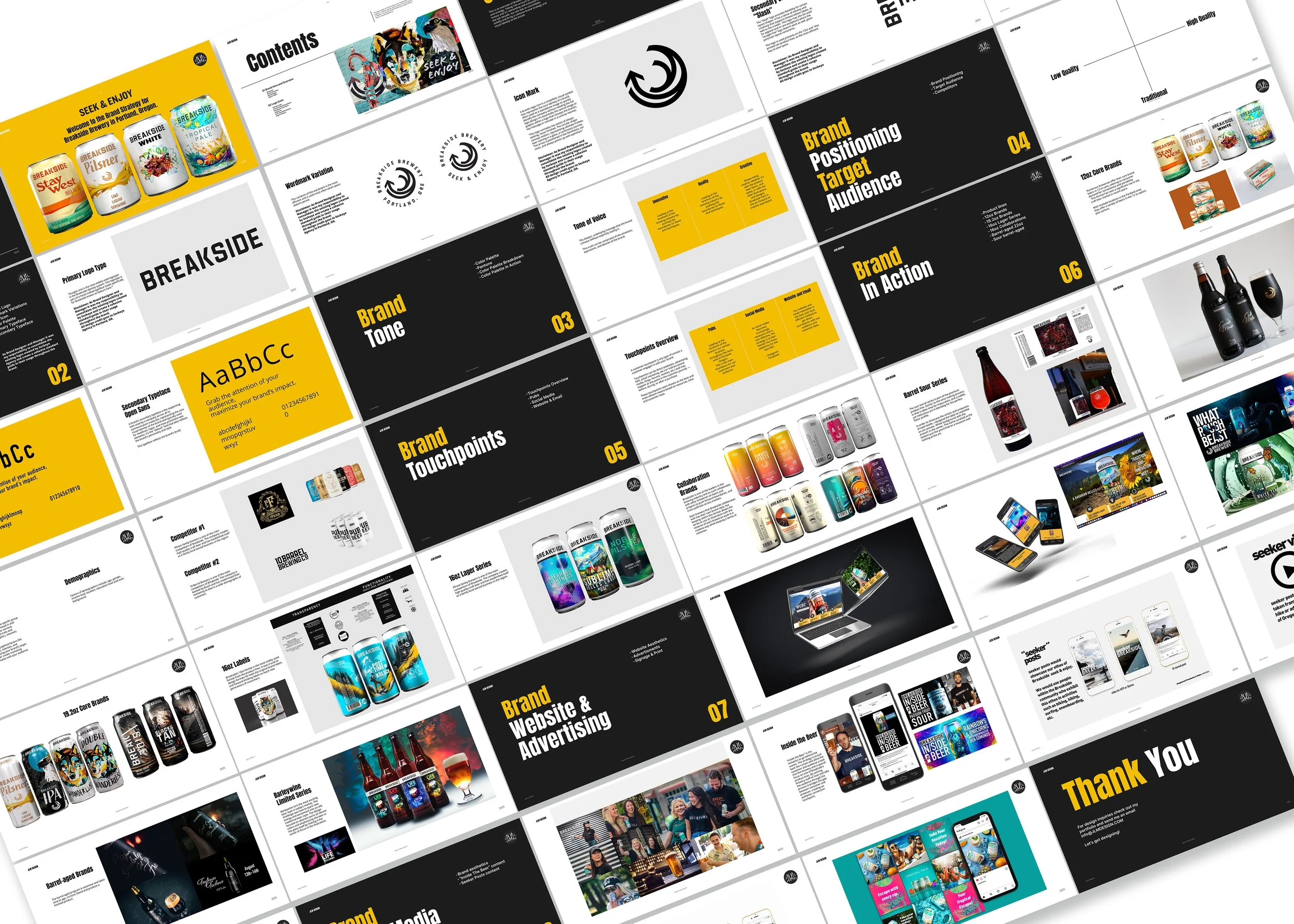
4. Messaging Systems
Messaging is often where marketing breaks down.
Different teams, channels, and campaigns can quickly lead to fragmented communication.
I approach messaging as a system, not a set of one-off statements.
This includes:
Establishing a clear value proposition
Defining core messaging pillars
Creating guidelines that scale across teams and channels
A strong messaging system ensures that whether a customer encounters a website, an email, or a campaign, the experience feels consistent and aligned.

Marketing System Thinking:
Positioning → Messaging → Campaigns → Customer Journey → Growth
|
Positioning → Messaging → Campaigns → Customer Journey → Growth |
Contact us
Interested in working together? Fill out some info and we will be in touch shortly. We can’t wait to hear from you!